
Writen by
admin
Best Plumbing Practices to Save Water and Money
Saving water at home doesn’t have to mean making major changes to your daily routine. A few smart plumbing practices can significantly reduce water waste, lower your utility bills, and help protect your plumbing system. Start by checking your home for leaks, monitoring water usage, and making sure your fixtures are working efficiently. Even small improvements can add up to substantial savings over time.
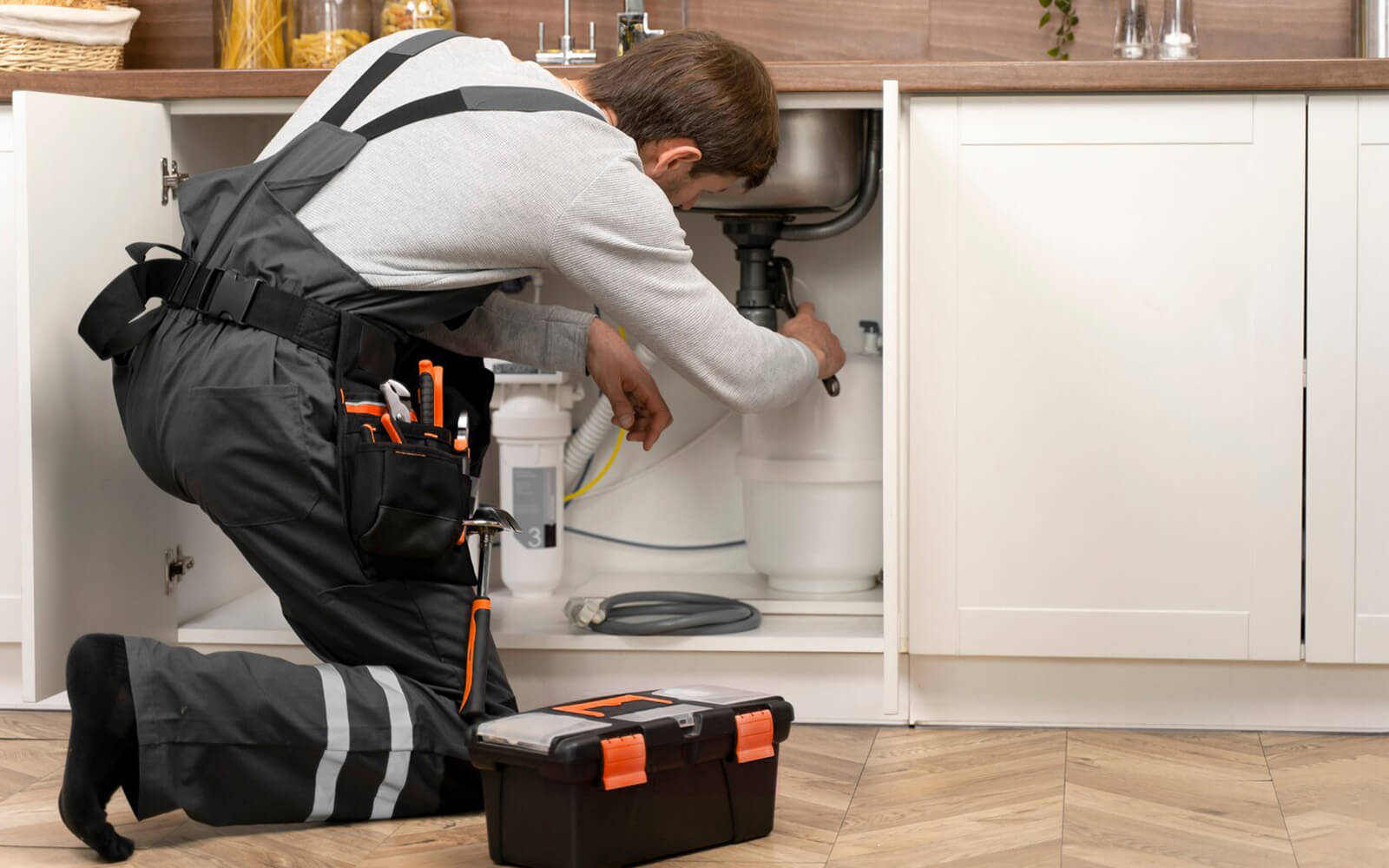
One of the most important steps is to repair leaking taps, toilets, and pipes as soon as possible. A slow drip may seem harmless, but continuous leaks can waste a surprising amount of water and increase your water bill. Pay attention to unusual sounds, damp areas, reduced water pressure, or unexpected increases in your bills, as these can all indicate a hidden plumbing problem.
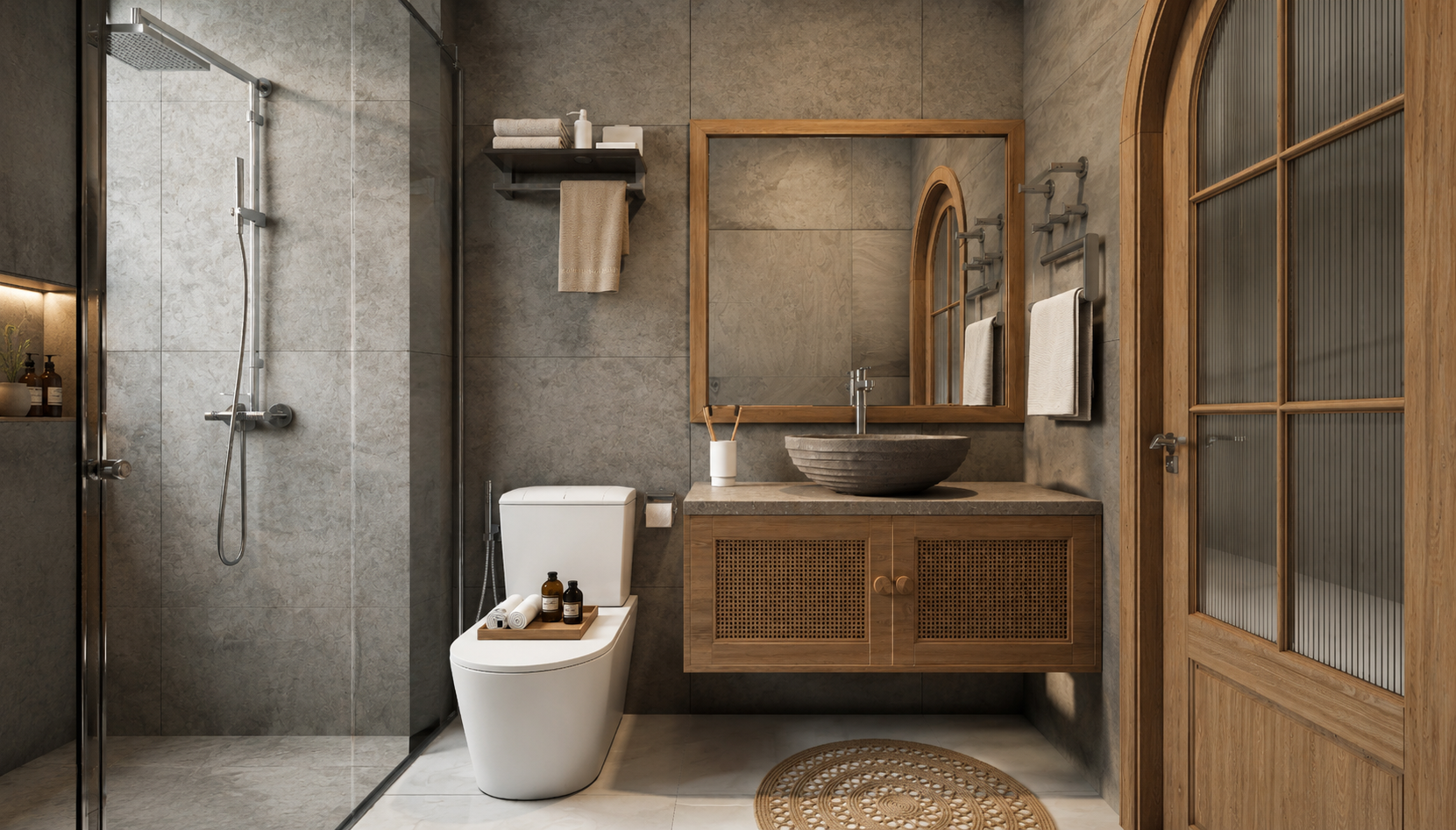
Installing water-efficient fixtures is another effective way to reduce consumption. Modern low-flow taps, showerheads, and dual-flush toilets are designed to use less water without significantly affecting performance. If your property still has older plumbing fixtures, upgrading them can provide long-term savings while also improving the efficiency and appearance of your bathroom or kitchen.Small plumbing improvements can make a big difference. Fixing leaks, using water-efficient fixtures, and maintaining your plumbing system can help conserve water while keeping household costs under control.
Water-Saving Tip
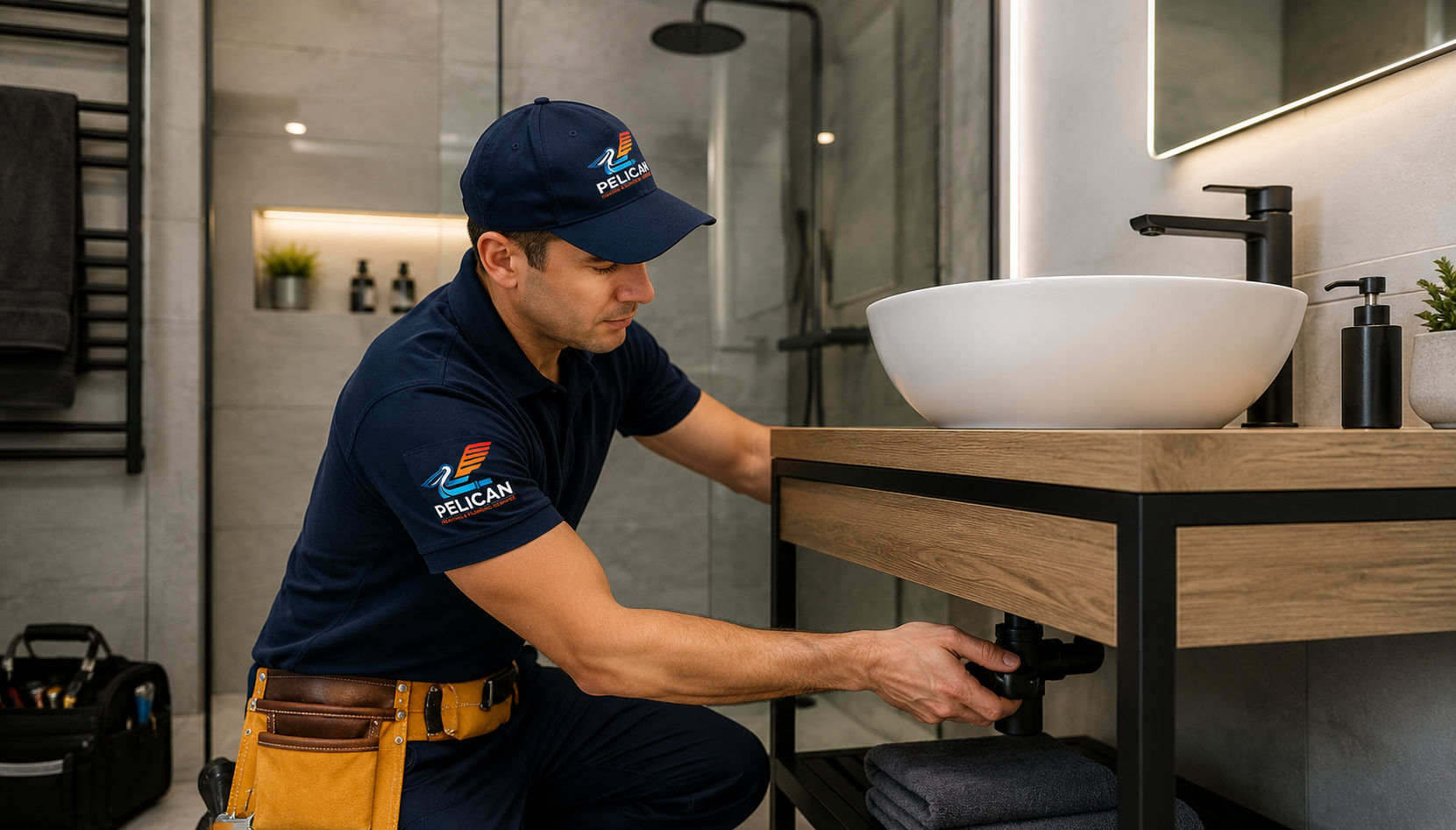
Your daily habits also have an important role in water conservation. Avoid leaving taps running unnecessarily, take shorter showers, and only run washing machines and dishwashers with full loads. It is also worth monitoring your water meter regularly. An unexplained increase in usage may indicate a leak that is not immediately visible. Along with these habits, regular plumbing inspections can help identify worn components, inefficient fixtures, and potential problems before they become expensive repairs.
Preventative maintenance is one of the best ways to save money in the long term. Keep drains clear, avoid flushing inappropriate items down toilets, protect pipes during cold weather, and arrange professional plumbing maintenance when necessary. A well-maintained plumbing system operates more efficiently, wastes less water, and is less likely to suffer from unexpected breakdowns. By combining good everyday habits with timely repairs and efficient plumbing fixtures, you can reduce water consumption, lower household expenses, and keep your plumbing system performing reliably for years to come.