
Writen by
admin
Best Ways To Unclog A Kitchen Sink Without Chemicals
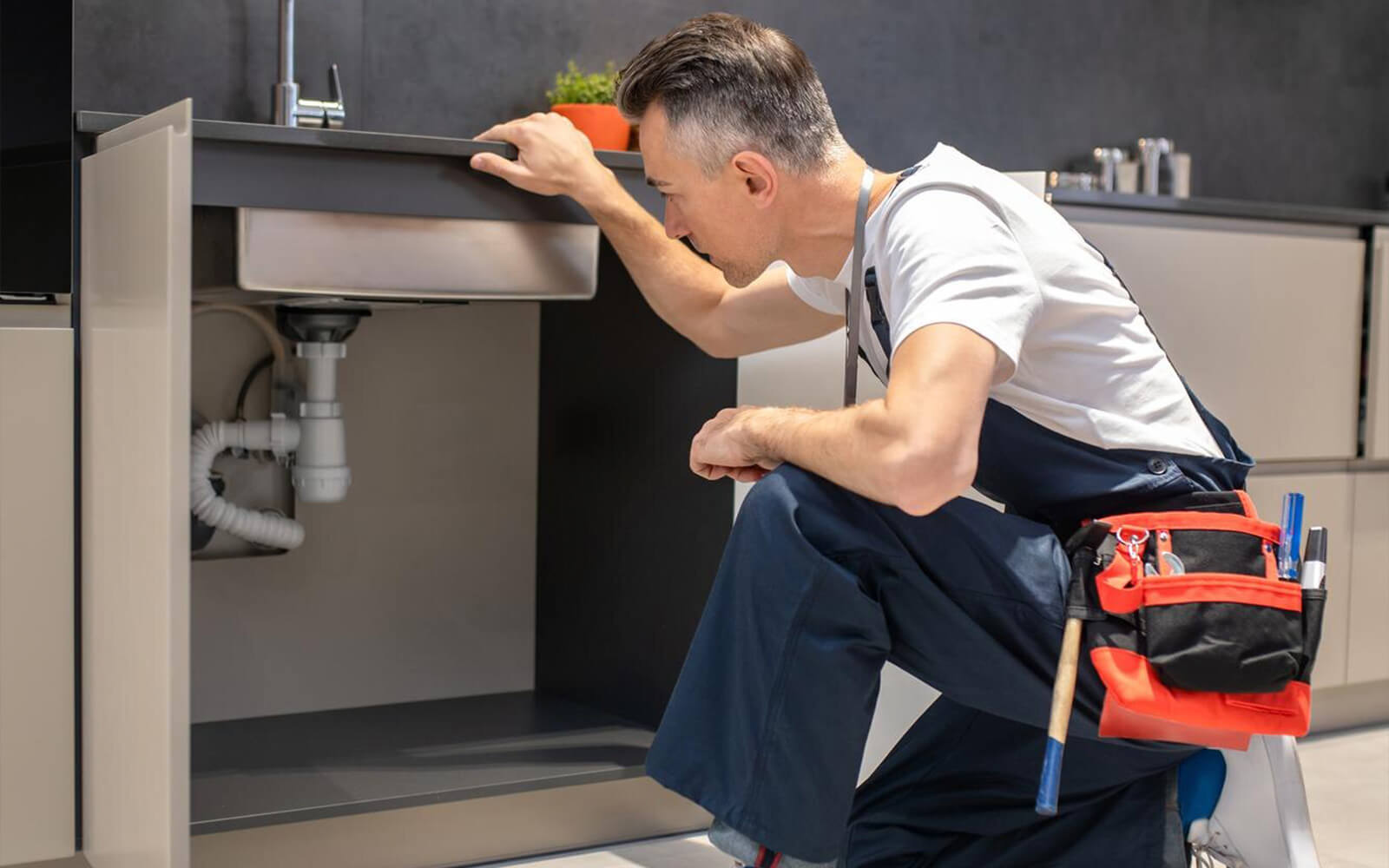
A blocked kitchen sink can quickly become a frustrating household problem, but you don’t always need harsh chemical drain cleaners to fix it. Many common blockages are caused by grease, food particles, soap residue, and other debris that gradually build up inside the pipes. With a few simple techniques and basic household tools, you can often clear the blockage safely while avoiding chemicals that may damage your plumbing system. Start by removing any standing water from the sink and checking the drain opening for visible debris. Food scraps and other materials can sometimes become trapped near the surface and can be removed by hand while wearing gloves. If the blockage is deeper, pouring hot water slowly down the drain can help loosen grease and soap deposits. Avoid using boiling water if your plumbing contains components that could be damaged by excessive heat.Many kitchen sink blockages can be cleared without chemical drain cleaners. Simple methods such as hot water, a plunger, and manual cleaning can often restore proper drainage safely and effectively. Plumbing TipA sink plunger is another effective option for dealing with stubborn blockages. Add enough water to cover the bottom of the plunger, create a tight seal over the drain, and plunge firmly several times. The pressure created inside the pipe can help dislodge trapped food, grease, and other debris. If you have a double kitchen sink, make sure the second drain is sealed while plunging so that enough pressure is directed toward the blockage.